THE VINEYARDS

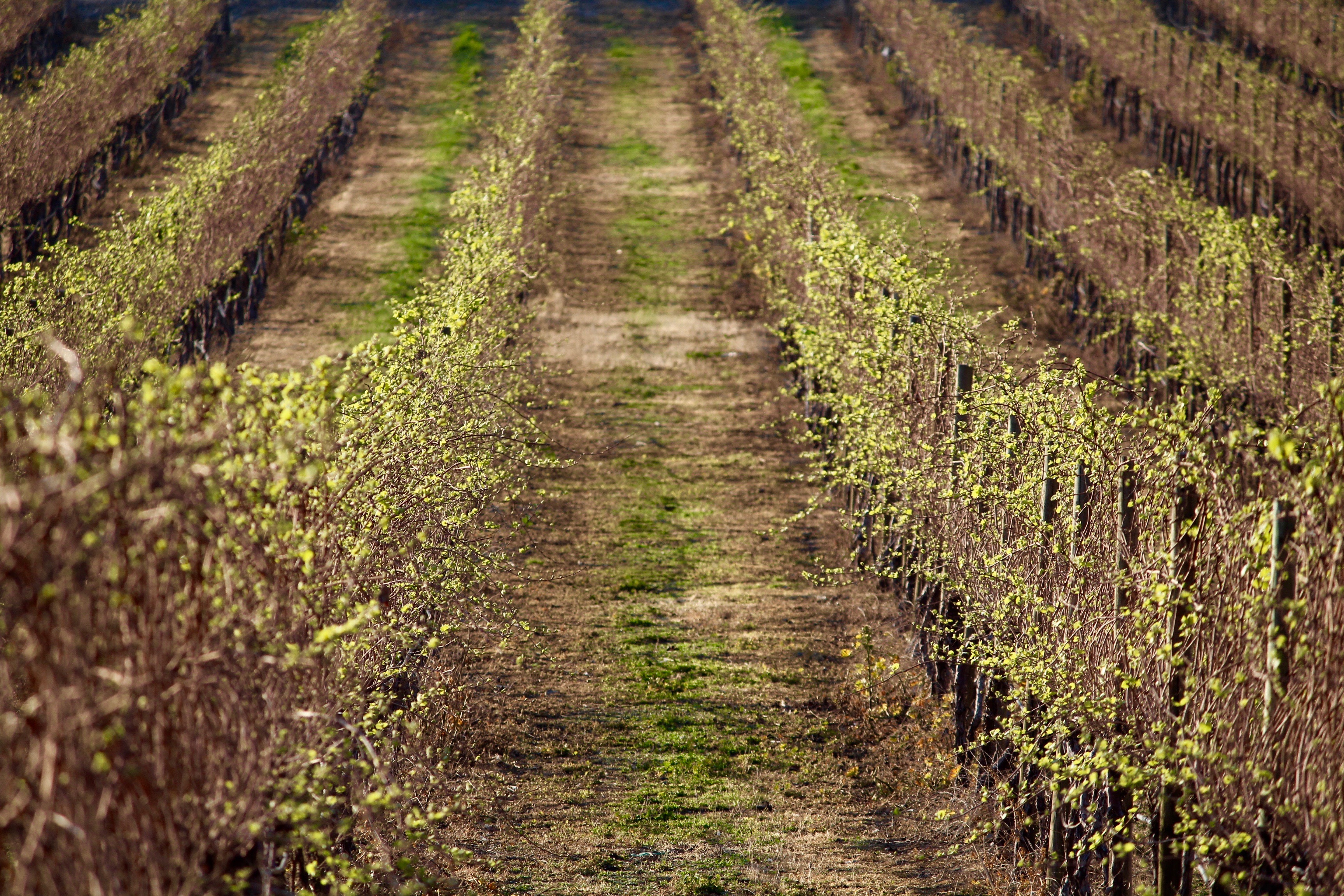
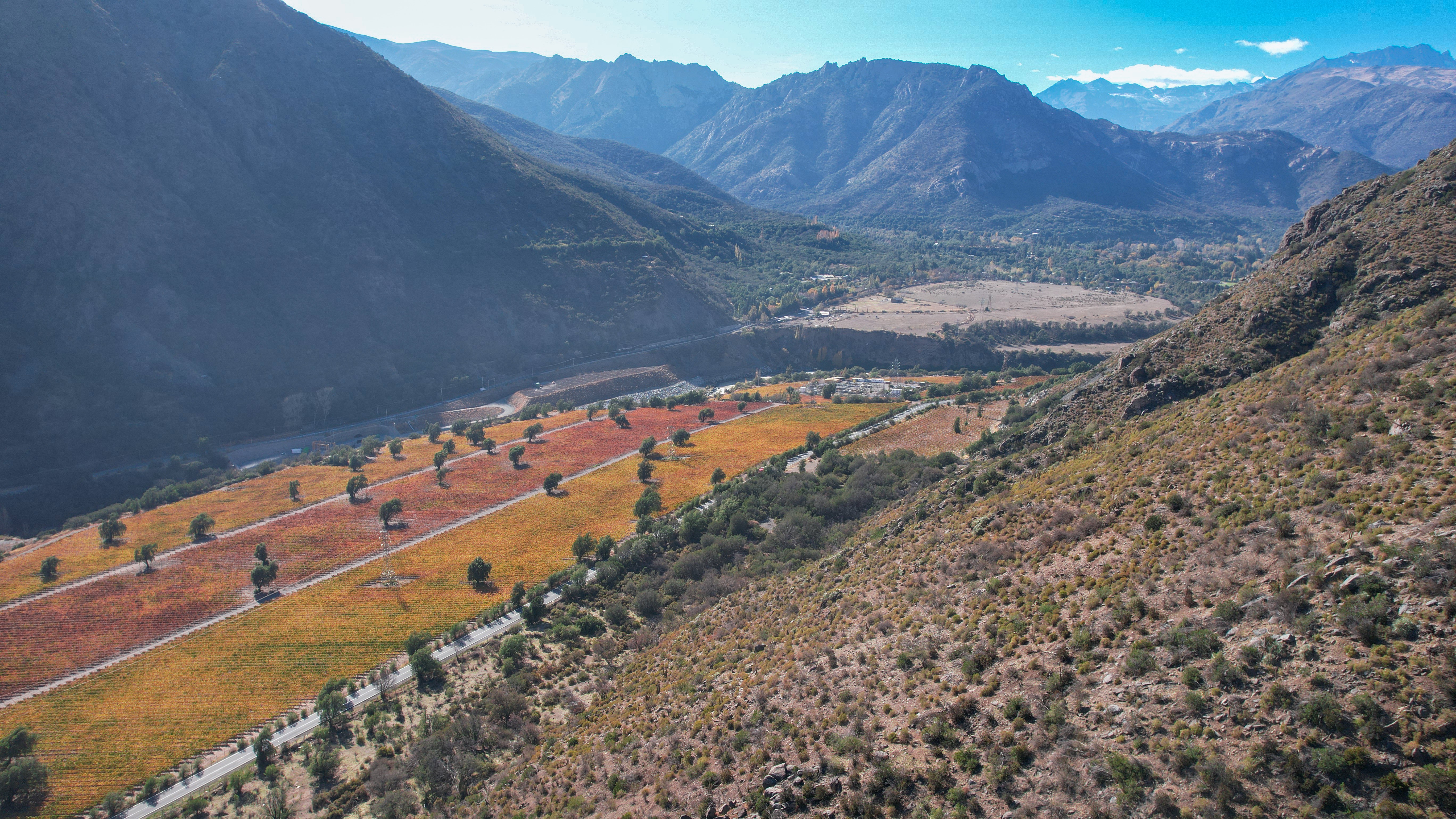
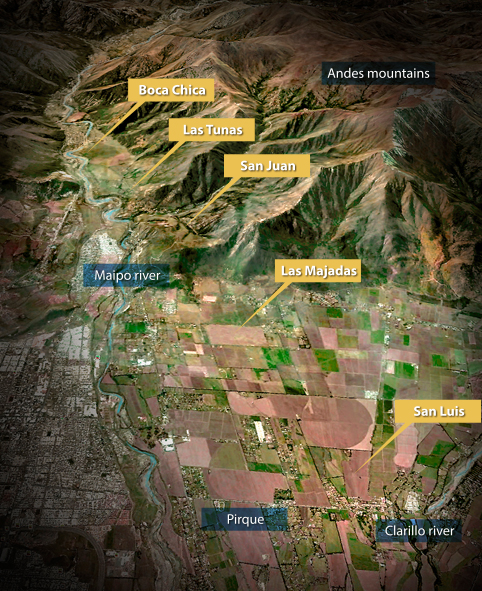
Driven by his passion for these unique lands, Víctor Pino Torche commissioned studies by Alberto Antonini, a renowned Italian consultant active in the Uco Valley, just across the Maipo Canyon. After several years, vineyards were planted on different terraces of the canyon, at varying altitudes, with the aim of enhancing elegance according to the character of each variety and each site. Cabernet Sauvignon became dominant, while other varieties have been gradually introduced over time.

1 / 5

SAN LUIS DE PIRQUE

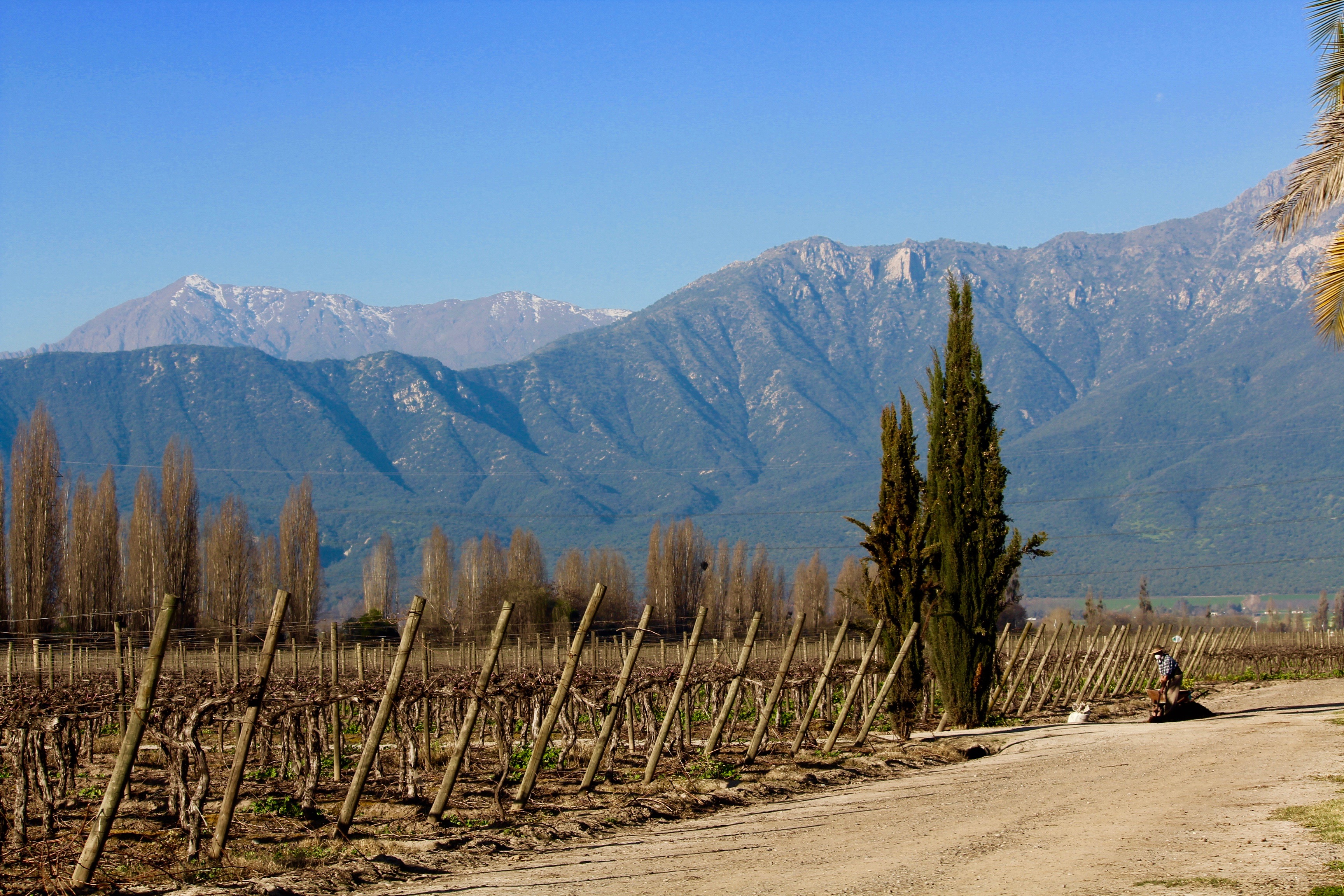
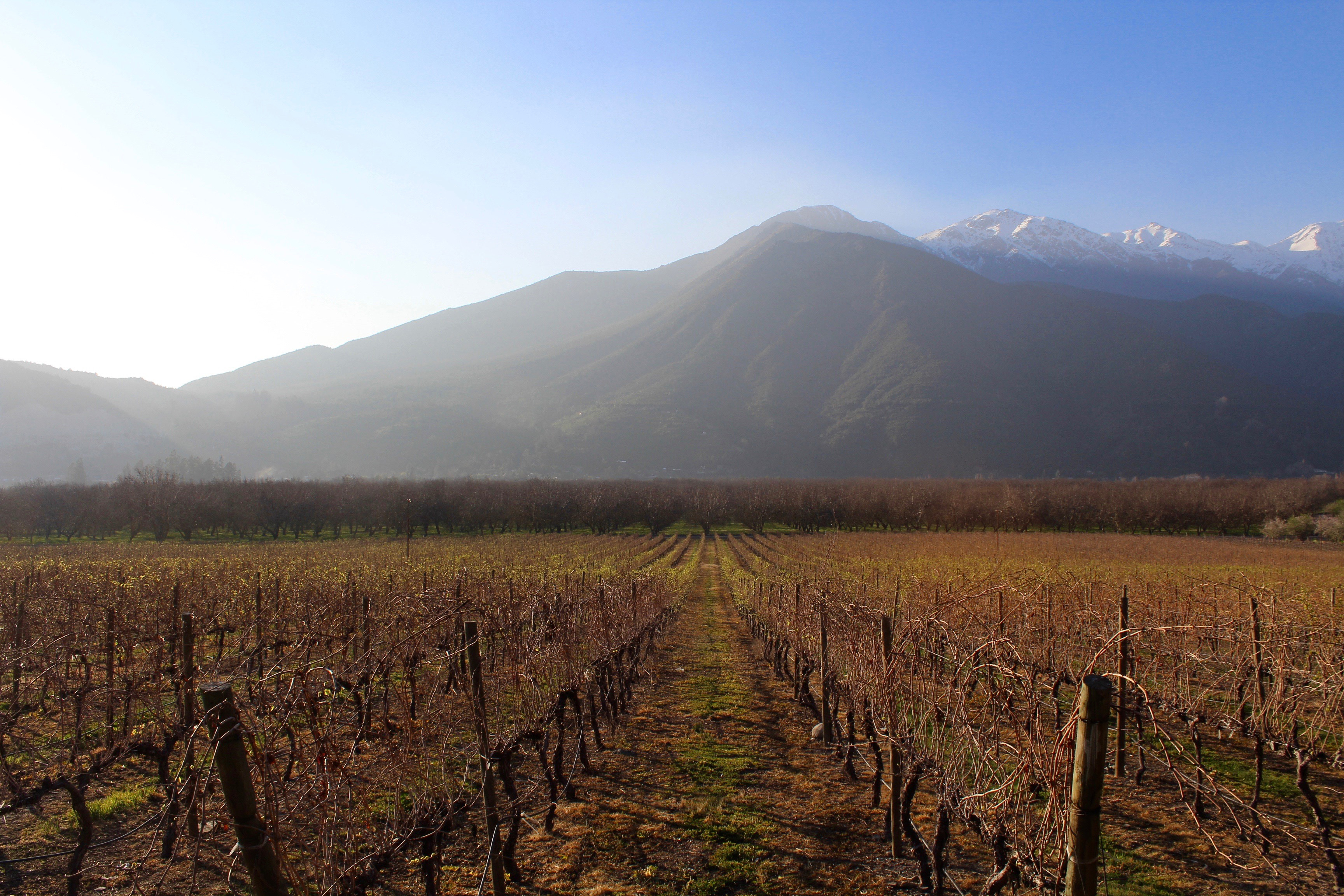
This is where the winery is located, with vineyards planted on the former bed of the Clarillo River, characterized by its sandy component. It is one of the highest-altitude vineyard sites in the Maipo Valley, although it sits on the lowest terrace among CASAFÈVRE’s vineyard holdings. Four varieties from the ESPINO GRAN RESERVA range originate here, depending on the different parcelled lots: Chardonnay, Pinot Noir, Carmenère, and Cabernet Sauvignon.
uuuuuuuuuuuuu

uuuuuuuuuuuuu

Close

2 / 5

LAS MAJADAS DE PIRQUE

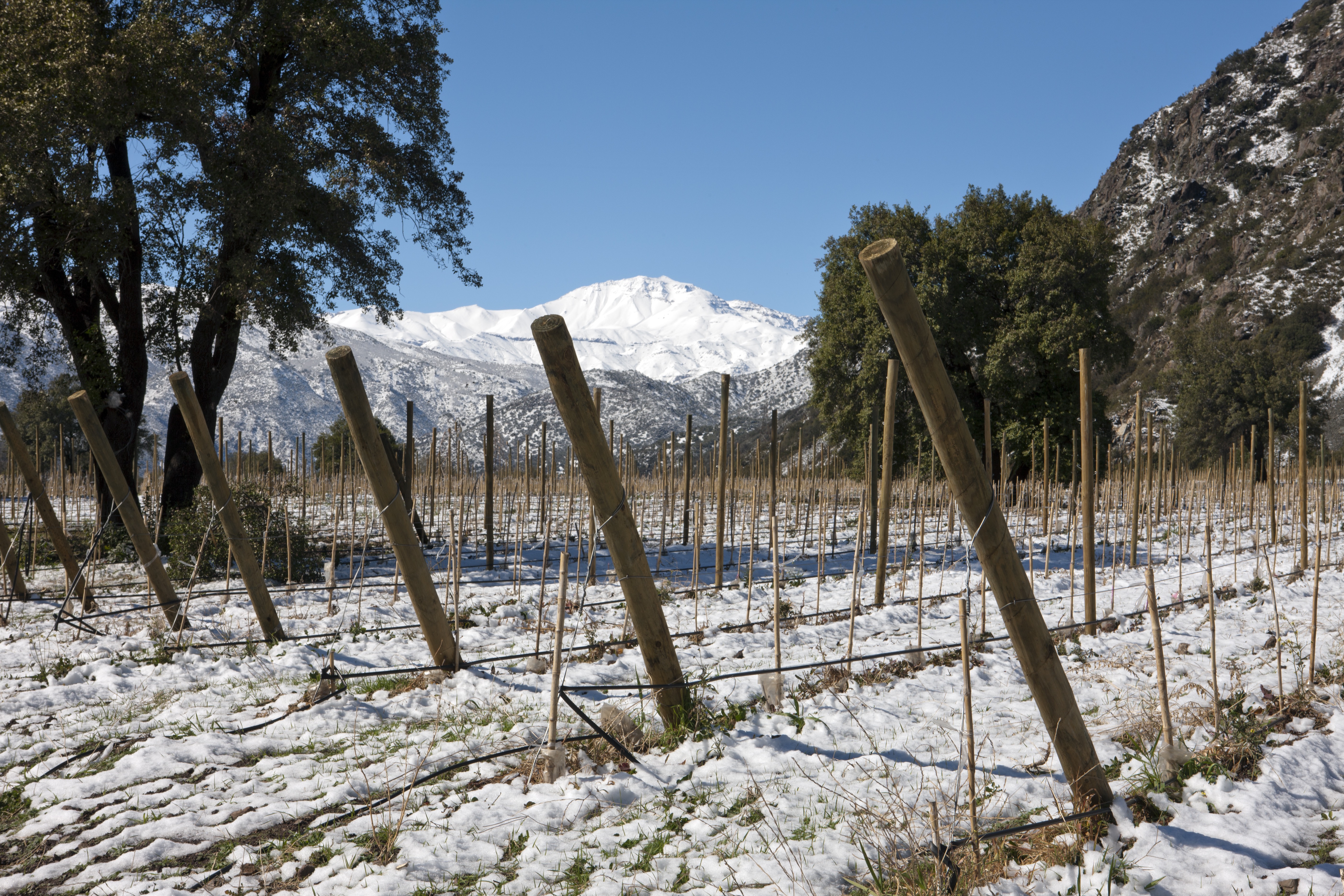
This vineyard is surrounded by our walnut trees, as is the case in many of our estates. Here, however, part of the finest Cabernet Sauvignon for our CUVÉE PIRQUE is produced. It lies at the piedmont of the Andes, where the Pirque Valley comes to an end, very close to Castillo Las Majadas—the former residence of Francisco Subercaseaux Vicuña, who commissioned its construction in the early 20th century.

iiiiiiiiiiii

iiiiiiiiiiii

Close

3 / 5

SAN JUAN DE PIRQUE

In this estate, the finest grapes for our top wine, CHACAI, are harvested from the La Negra vineyard. Yes—the darkest and most concentrated fruit, from vineyards that are several decades old, now mature and seasoned with time. Here begins the adventure in the Maipo Canyon, with terraces ranging from the riverbed—its stones rounded by rushing waters—to steep slopes filled with fractured rocks rich in mineral expression.

iiiiiiiiiiiiii

iiiiiiiiiiiiii

Close

4 / 5

LAS TUNAS

This remarkably flavorful fruit, which can only be eaten with local skill, gave its name to this unique estate. A branch of the Maipo River left behind a wide range of soil components, which we used to plant a true garden of varieties. Of course, we planted Cabernet Sauvignon and Chardonnay, but the volcanic elements also brought other guests to the party: Tempranillo, Syrah, and Carignan.

Tiiiiiiiiiiiii

iiiiiiiiiii

Close

5 / 5

BOCA CHICA

Final stop on our journey toward the Argentine border: we leave Pirque and arrive in San José de Maipo. The river canyon narrows here, giving the vineyard its name, Boca Chica. This is a fiercely protected place, shaped by strong winds and extreme cold. Some of the stones removed to plant Cabernet Sauvignon, Malbec, and Cabernet Franc were larger than the machines used to move them. The quillay trees stand as witnesses that nature rules here, and humankind submits to what it chooses to give us—a miracle in the bottle.

The technical team can decide whether to harvest a single plot on a particular day or to hold fire for several days.

When picked, the grapes are put in 20 kg crates. Once an entire plot has been harvested, the grapes are labelled and weighed: the vat where they will be vinified is selected according to their tonnage. In this way, each plot is carefully treated separately following a strict protocol. Not a single grape from one plot will be mixed with another.

The process usually takes about ten days spread out over a month more or less. The first selection is made in the vineyard by the pickers. They are familiar with the rigorous criteria of the domain and put aside any bunches which appear to be sub-quality. The second selection takes place at the selection table where four people carefully examine the contents of each crate, inspecting bunch by bunch. At the end of the table about ten people carry out a final check on the individual berries once the de-stemmer has removed the stalks. Any berries that are too green, pink or are withered are removed; only fruit in perfect condition is retained.

Close